On this page
Good UK business etiquette for a food supplier starts with a clear, useful conversation. Establish who is buying, what they need to assess and what decision the meeting can make. Courtesy helps people work together; an accurate product brief and explicit follow-up help turn that conversation into a commercial next step.
This guide covers meetings with food buyers and distribution partners. For the wider sequence of product readiness, partner selection and launch responsibilities, start with UK market-entry planning.
Confirm the country, company and buying role
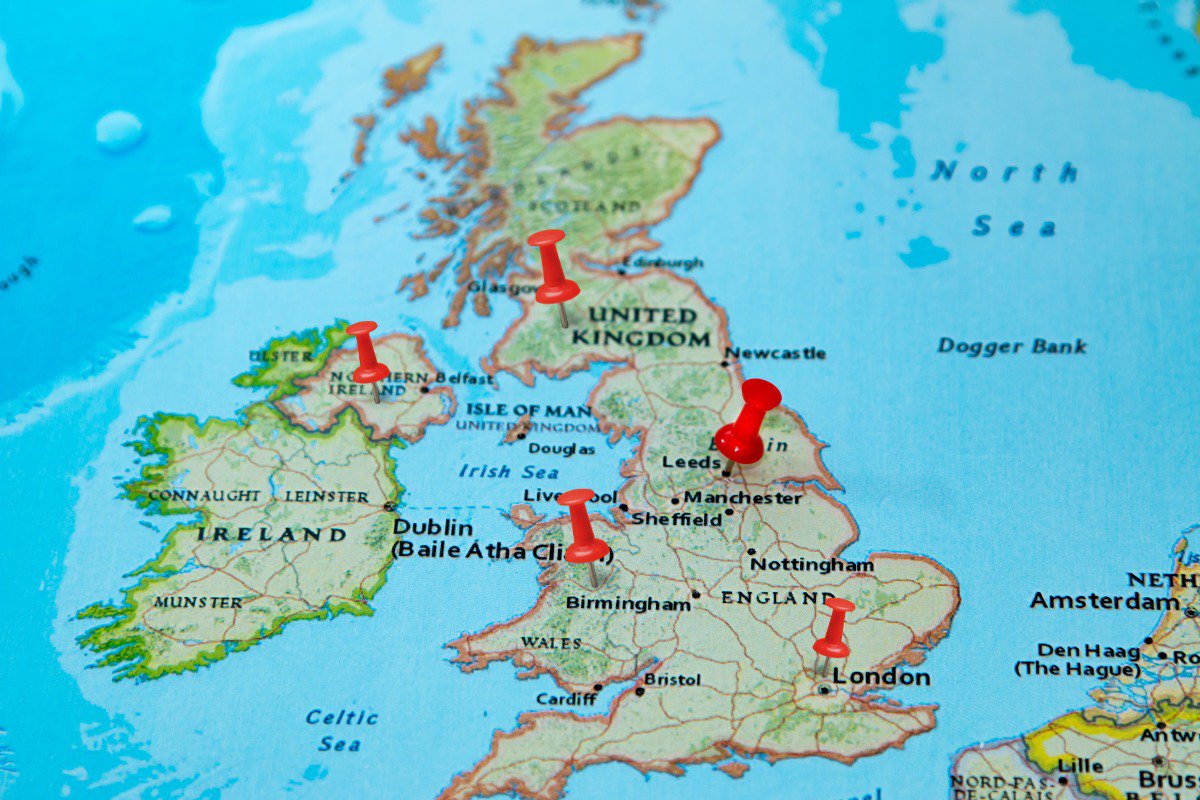
The UK comprises England, Northern Ireland, Scotland and Wales; Great Britain excludes Northern Ireland. The ONS country and region guidance explains these distinctions. Use the actual territory in your proposal and the person's own description when referring to their location or identity.
Ask which legal business, category, channel and territory the contact represents. A technical specialist may assess the specification while another colleague decides commercial terms. Confirm who needs to attend and who can approve a trial, listing or supplier appointment. This avoids preparing a national launch pitch for a conversation about one account or region.
Choose the distribution role before the meeting
If you need an intermediary, first choose a UK distribution route: define the customers, territory and functions you want the partner to handle. Then compare UK food and beverage distributor candidates against that brief. Bring questions about account coverage, stock ownership and delivery responsibilities rather than asking only whether the company likes your product.
Prepare a focused meeting brief
AHDB's effective-meetings guidance, written for family-farm businesses, recommends a clear purpose, agenda and action record. That offers a useful preparation model for a supplier conversation. Agree the duration, local time and time zone, participants, access arrangements and documents needed. Arrive on time and notify the host promptly if delayed.
Prepare a short brief covering the product's intended role, pack and case format, delivery shelf life, relevant specification evidence, indicative price basis and the decision you want. Label assumptions and provisional figures. Send requested material in the host's preferred format, with a version date so everyone discusses the same proposal.
Check the company's published supplier route before requesting an introduction. For example, Asda's supplier page directs goods-for-resale product submissions through RangeMe to category buyers and distinguishes them from goods-not-for-resale enquiries. Follow the route for your product; a submitted profile is an application for assessment, not a listing commitment.
Make questions and decisions explicit
Use courteous, short questions to understand the response. “Which information is missing before you can assess this range?” is more useful than guessing what a pause means. If someone expresses interest, ask whether they want samples, a revised quotation, a technical review or a trial proposal.
Separate what is proposed from what has been agreed. Try: “Is this an agreed trial, or a proposal still awaiting approval?” Repeat back the product version, quantity, price basis and timing when they matter. Invite correction, especially where an interpreter, unfamiliar terminology or several organisations are involved.
Keep humour separate from commitments
Let the conversation develop naturally. Use plain wording for allergens, prices, payment and delivery commitments, and ask for clarification when meaning is uncertain. You do not need to imitate a presumed national style of humour to have a productive meeting.
Confirm the setting, clothing and samples
Ask whether the appointment is an office discussion, trade-stand meeting, tasting or production-area visit. Follow the host's clothing, access and hygiene instructions. GOV.UK's food-hygiene guidance addresses clean protective clothing for food handlers; it does not establish a universal dress code for business visitors. Confirm any site-specific protective equipment before travelling.
For a tasting, agree sample quantities, receiving contact, storage conditions, utensils and preparation arrangements. Provide ingredient and allergen information for the exact samples. Relevant handling guidance is available from the Food Standards Agency for England, Northern Ireland and Wales and Food Standards Scotland. Discuss the host's controls before serving food; meeting arrangements alone do not resolve product or import requirements.

Use the meeting to resolve one next decision
Introduce yourself and your role, and use the name and form of address the other person requests. Allow room for their questions and preferences. Start by confirming the objective, then present only the evidence needed for that discussion. Leave time at the end to agree the next step.
| Discussion | Evidence to record | Next action |
|---|---|---|
| Range fit | SKU/version, intended customer and buyer feedback. | Who reviews the range, what is missing and the agreed date. |
| Product readiness | Specification, sample results and open technical questions. | Who supplies the missing information and who assesses it. |
| Commercial proposal | Price basis, volume assumptions and delivery scope. | Which terms need approval and when the parties will revisit them. |
Use the table as your own working record, adapting it to the customer's process. If a point remains unresolved, name it explicitly rather than recording a hopeful interpretation as an agreement.
Make networking relevant to the next conversation
At an industry event, explain the category you work in and why a further conversation could be useful. Ask whether the person is the right contact and which material they would like. Offer a practical meeting format; socialising or drinking need not be part of the arrangement.
For meetings at an international show, the SIAL Paris 2026 buyer-meeting preparation guide helps organise the account brief and follow-up. SIAL Paris is a France event; use the guide for that setting rather than treating it as a UK trade show.
Before offering gifts or hospitality, check both organisations' policies and any required approvals. GOV.UK's anti-bribery guidance identifies gifts, hospitality and conflicts as matters for a risk-appropriate policy. An ordinary meeting invitation need not involve hospitality at all.
Negotiate through a clear process
Bring the costs and assumptions behind your proposal. Ask what evidence is relevant, who makes the decision and when an answer can reasonably be expected. If a price, quantity or delivery request changes, show the resulting options and confirm which version is under discussion.
A concrete grocery-sector example is the GCA's cost-price-increase best-practice rules: they emphasise clarity about process, timing, information and outcome. These concern price-increase negotiations between designated retailers and direct suppliers; they do not set prices or guarantee acceptance of a new-product pitch.
Check whether the GCA's designated-retailer/direct-supplier remit applies to the relationship. Where it does, the Groceries Supply Code of Practice provides the relevant framework for written supply agreements and fair dealing. Keep agreed terms and changes explicit; a meeting recap is not a substitute for completing the applicable agreement.
Exchange details and agree follow-up
Confirm the contact's name, role, preferred channel and requested files. Send a concise recap of decisions, open questions, owners and agreed dates, and invite corrections. If no date was agreed, propose one rather than assuming a standard response window. Silence should not be recorded as approval.
Keep the requested follow-up distinct from adding someone to an ongoing marketing campaign. The ICO's B2B marketing guidance explains that storing named business-contact details can engage UK GDPR, and electronic-marketing rules differ by recipient and channel. Exchanging a card or finding professional details online does not settle every permission question. The ICO marks this guidance as under review; check its current wording when planning outreach.
Get help preparing the buyer conversation
If local coordination is the missing piece, assign local commercial follow-up around named accounts, outstanding evidence and agreed milestones. Share your product and meeting brief to scope the support needed for preparation, coordination or the next buyer decision.
FAQs for UK Business Etiquette
Q1 - How do you greet a business in the United Kingdom?
Introduce yourself, your company and your role with a courteous greeting. Follow the person's stated name and preferences. Physical contact and a particular form of address are not prerequisites for a useful conversation.
Q2 - What is the business dress code in Britain?
Ask the host about the meeting setting and any site rules. An office, trade stand, kitchen and factory visit can require different preparation. Confirm protective clothing or hygiene instructions where relevant.
Q3 - Do people in the UK use social media for business?
Ask the contact which professional channel they use for the task at hand. Follow published supplier routes for product submissions, and check current marketing rules before using profile details for outreach. A public profile does not itself establish permission for every use.
Q4 - What is the meeting etiquette in the UK?
Confirm the purpose and participants, arrive on time, listen, explain the product accurately and ask clear questions. Finish with a shared record of the next decision, responsible person and date, then send the requested follow-up.
References
- ONS: countries, regions and the UK/Great Britain distinction
- AHDB: effective meetings for family-farm businesses
- Asda: becoming a supplier and goods-for-resale submissions
- GOV.UK: food-business staff hygiene and protective clothing
- FSA: allergen guidance for food businesses in England, Northern Ireland and Wales
- Food Standards Scotland: managing allergens
- GOV.UK: anti-bribery policies, gifts and hospitality
- GCA: cost-price-increase best-practice rules in its 2023 response to the CMA
- GCA: designated-retailer and direct-supplier remit
- Groceries Supply Code of Practice: written agreements and fair dealing
- ICO: business-to-business marketing and business-contact data