
On this page
For a confectionery supplier, UK market planning starts with three separate questions: what is happening to prices and volumes, where can the product be sold and promoted, and which pack gives a buyer a workable commercial proposition? This guide focuses on chocolate and sugar confectionery. Ice cream and cakes are adjacent categories, with different buying and operating requirements.
Use the UK food market guide for the wider entry decision. Here, the focus is the confectionery range, its promotion plan and the evidence needed before committing to a launch. Regulatory dates below describe the position on 16 September 2026.
UK Confectionery Market Trends: Overview
Higher spending does not necessarily mean more confectionery is being bought. The following sources measure different things; none is a total UK confectionery retail-market estimate.
| Measure | Published evidence | How to use it |
|---|---|---|
| UK chocolate consumer prices | The ONS annual observation for 2025 is 16.2%. ONS chocolate CPI annual-rate series | Compare equivalent weights and formats when reviewing shelf prices. |
| UK confectionery-products consumer prices | The separate ONS series records 5.3% for 2025. ONS confectionery-products CPI annual-rate series | Do not apply the chocolate rate to every sweet or combine these two rates. |
| UK chocolate imports | FDF reports £3.4 billion in 2025: value rose 15.9%, while volume fell 6.1% against 2024. FDF Trade Snapshot 2025, top-ten imports table | Use this customs-trade evidence to challenge a value-only growth story; it does not measure shopper purchases. |
For a listing proposal, request the buyer's own unit sales, weight sold, realised price and repeat rate for the relevant shelf segment. Separate everyday sales from seasonal and promotional sales. A price increase, a change in pack size and stronger consumer demand can produce very different outcomes behind the same sales-value headline.
UK Confectionery Market Trends: Key Drivers
1. Regulatory Pressure and Compliance Innovation
Product classification affects the promotion plan. The official test considers both the specified product category and the nutrient-profile score; a vegan claim, darker chocolate or a smaller portion is not an automatic exemption. DHSC explanation of the category and nutrient-profile tests Build classification into development before promising a buyer a checkout position or a volume promotion.
2. Convenience and Snacking Formats
Compare a single bar, a sharing pouch and a multipack against a specific outlet and shopping occasion. For convenience, ask about shelf space, case size, delivery frequency and replenishment. For grocery, test the everyday shelf price and the permitted promotional plan. The UK supermarket guide helps identify retail groups; it does not establish demand for a particular confectionery SKU.
3. Define the Buyer and Occasion
Build the brief around observable buying behaviour rather than assumptions about an age group or region. Ask who purchases the product, who consumes it, whether the occasion is a gift or an everyday treat, and what alternative it replaces. Use a shelf audit and a small trial to test those answers before expanding distribution.
4. Seasonal Product Development
In its February 2026 Easter announcement, Nestlé included KitKat marbled eggs and Rowntree's Egg-Venture sharing sweets. These are documented examples of seasonal format development, not evidence that every seasonal launch grows sales. Nestlé's Easter 2026 range Agree the buyer's order cutoff, delivery window, remaining shelf life and residual-stock terms before producing an occasion-specific pack.
Testing Consumer Behaviour in the UK Confectionery Market
1. Test the Value of Sourcing and Packaging Claims
Ask prospective buyers which sourcing documents and packaging specifications they need. Then test whether the proposed claim matters to the intended shopper at the planned price. Keep certificates, supplier traceability and packaging evidence available; do not substitute a broad sustainability promise for a specific, verifiable feature.
2. Plan Visibility Within the Rules
England's location rules restrict in-scope products in specified store and online positions. They do not by themselves establish a percentage decline in confectionery purchases. England's implementation guidance Ask the retailer where the SKU can appear and what compliant shelf communication is available; price the launch without assuming access to an entrance, checkout or aisle-end display.
3. Compare Sharing and Individual Packs
Test the pack against the occasion: resealability for repeated use, portion presentation for sharing, or portability for immediate consumption. Compare cash outlay and price per 100g as well as margin. A sharing format is a product choice; it is not proof of growing demand or permission to use a restricted volume-price offer.
4. Make Product Information Usable
Provide the buyer with the current recipe, allergens, nutrition, shelf life and proposed claims in one consistent specification. For imported products, use the UK food import guide to assign general entry and labelling responsibilities, then apply the confectionery-specific promotion and claims checks below.
UK Confectionery Market Trends: Innovations
1. Reformulation With a Documented Nutrient Profile
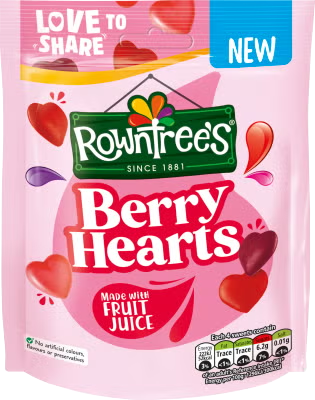
Nestlé described its 2023 Rowntree's sharing-gummy launch, including Berry Hearts, as non-HFSS, using soluble corn fibre and less sugar against its stated comparator. Nestlé's January 2023 launch announcement This is a dated manufacturer example. For your own product, verify the calculation, taste, texture, stability and cost; a competitor's announcement is not certification of your formulation.
2. Blonde Chocolate as a Product Concept
Treat blonde or caramelised white chocolate as a flavour and positioning hypothesis. Test it against the buyer's existing white and milk chocolate range, including whether shoppers can understand the difference on pack. Do not build a sales forecast on the flavour name alone.
3. Seasonal Flavour and Texture
The documented KitKat marbled Easter formats offer one example of combining an established product with an occasion. Nestlé Easter announcement For a smaller supplier, first test whether a seasonal wrapper or gift assortment can meet the brief without requiring a new recipe and a separate production run.
4. Plant-Based and Vegan Confectionery
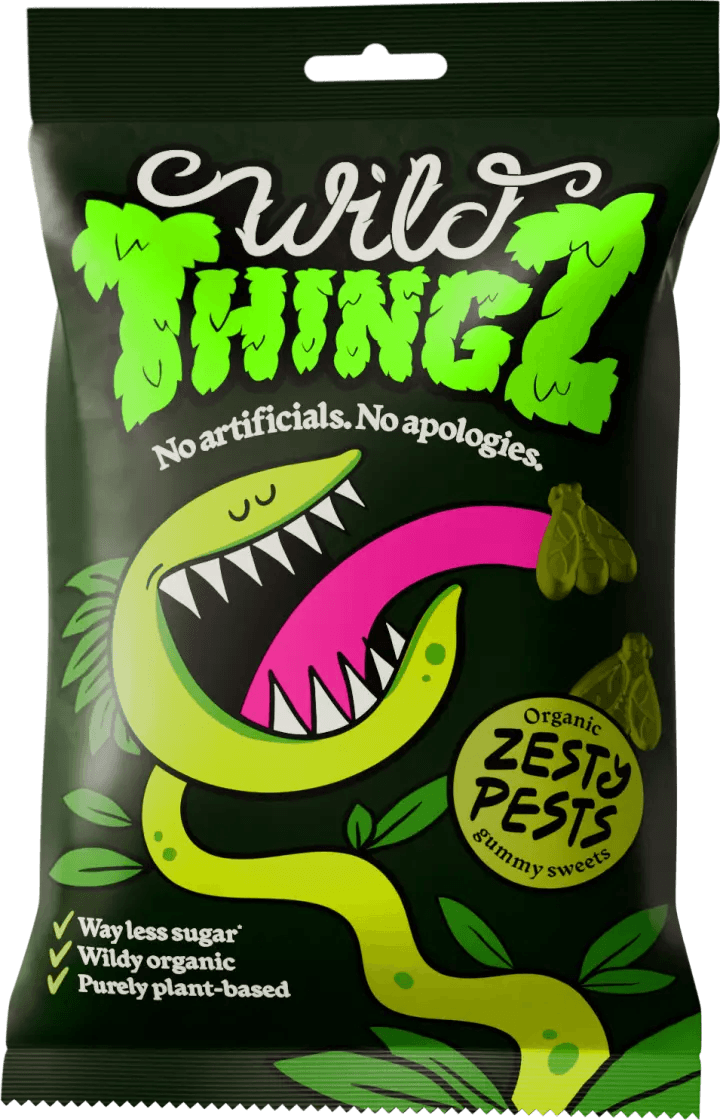
Wild Thingz presents plant-based sweets in formats including Tropical Mix and Berry Mix. Wild Thingz product range This supports a product comparison, not a market-wide growth claim. Validate the ingredients, allergen controls, eating quality and target price of the actual SKU. Dietary positioning and HFSS classification answer different questions.
5. Functional and Protein Positioning
Check whether a protein or fibre proposition belongs in confectionery, snacking or sports nutrition for the target buyer. Nutrition and health claims have their own conditions, separate from the promotion test, and the applicable framework differs between Great Britain and Northern Ireland. DHSC nutrition and health claims guidance Do not turn an ingredient addition into an unsupported health benefit.
6. Packaging That Works Through Distribution
Before selecting a new material, test seal integrity, shelf life, transport damage and the buyer's handling requirements. Compare packaging weight and disposal instructions using evidence for the actual pack. A material change is only useful if the product reaches the shopper in the intended condition.
7. Digital Experiences With a Clear Purpose
A QR code can explain ingredients, provenance or serving ideas, but it needs a reader benefit and a maintenance owner. Assess any associated paid campaign against the UK less-healthy-food advertising rules; digital promotion is not an unrestricted replacement for store visibility. ASA guidance on less-healthy-food advertising
8. Freezable Formats and Category Boundaries
For a product intended to be frozen by the consumer, validate preparation instructions, package performance and the finished texture. If it needs frozen distribution, build a separate cold-chain and retail-freezer plan. Do not add ice-cream sales to a chocolate-and-sugar-confectionery forecast without explicitly changing its scope.
Impact of HFSS Regulations
Plan retail promotion by nation and launch date. This table summarises the status on 16 September 2026; the linked guidance defines qualifying businesses, products, store conditions and exceptions.
| Nation | Retail promotion position | Supplier action |
|---|---|---|
| England | Location restrictions began 1 October 2022; volume-price restrictions began 1 October 2025. The on-pack volume-promotion transition ends 30 September 2026. England guidance | Check SKU status, outlet scope and any remaining promotional artwork or stock. |
| Wales | Promotion and presentation restrictions took effect on 26 March 2026. Welsh Government guidance | Check the Welsh business, location and volume-price provisions for the proposed execution. |
| Scotland | The Food (Promotion and Placement) Regulations take effect on 1 October 2026; that date is still forthcoming at this review. Scottish Government guidance | Prepare the autumn range and promotion plan for the effective date. |
| Northern Ireland | Proposals to restrict HFSS promotions are under consultation, closing 21 October 2026 at 5pm. This consultation is not an enacted retail-promotion ban. NI Department of Health consultation | Monitor the outcome without presenting the proposals as current law. |
Advertising is a separate UK-wide layer. Since 5 January 2026, restrictions cover identifiable less-healthy products in paid online advertising at any time and specified TV/on-demand advertising before 9pm. Product, advertiser and media scope and exemptions matter. ASA guidance Have the media plan reviewed as well as the retail offer.
Visibility and Promotion Mechanics
Distinguish a product's multipack format from a volume-price promotion. England's guidance explains which offers and locations are covered; do not assume every multipack is a prohibited multibuy. England scope and examples Ask the buyer to confirm the proposed mechanic and location before including promotional volume in the forecast.
Product Reformulations
Keep the nutrient-profile calculation tied to a controlled recipe and current nutritional information. The Rowntree's example shows a manufacturer using fibre and sugar changes in product development, but it does not establish the status of other products or later formulations. Original Rowntree's release
Product Innovation and Future Rule Changes
The March 2026 DHSC consultation proposes applying the 2018 nutrient profiling model to advertising and promotion restrictions. It distinguishes that proposal from the currently applied 2004–05 model. DHSC consultation Check the eventual decision and implementation timetable before locking a long development programme; publication of a model does not itself mean the proposed restrictions are operative.
UK Confectionery Market Trends: Key Challenges
1. Cost and Price Evidence
Use supplier quotations for cocoa, dairy, sugar and packaging inputs, with a validity date and currency assumptions. The ONS consumer-price series and FDF import figures above are context, not substitutes for ingredient costs. Ask the manufacturer which inputs can change the quote and when repricing is permitted.
2. Promotion Readiness
Create a SKU-by-nation checklist covering classification, pack artwork, display plans and buyer approval. Assign an owner to update it when a recipe, pack or promotion changes. This keeps a compliance decision connected to the product actually shipped.
3. Evidence Behind Sourcing Claims
Match every sourcing or packaging statement in the pitch to supporting documentation and its scope. A claim about one ingredient, factory or pack component should not silently become a claim about the entire product.
4. Testing Preference at the Planned Price
Use blind and branded tasting, then test willingness to purchase at the intended price. Record the difference between liking a sample and buying it again. A recipe that wins on taste may still require a different portion or channel to meet the commercial brief.
5. Working Capital and Seasonal Stock
Model the first production run, retailer payment terms, promotional contributions and unsold stock. Stress-test a delayed listing or lower repeat order. For seasonal packs, agree who bears markdown and disposal costs before accepting a large forecast.
6. Advertising and Claims Review
Give technical, sales and marketing teams the same product information. A claim review under nutrition and health claims guidance and an advertising review under ASA's less-healthy-food rules are separate tasks; neither is replaced by the nutrient-profile calculation.
Breakdown of the UK Confectionery Market
1. Chocolate Confectionery
Define the proposed segment: everyday bars, filled products, boxed chocolates or seasonal formats. Compare equal pack weights and the intended use. The separate chocolate price and trade measures above are useful context, but they do not establish a brand ranking or chocolate's share of a broader sweets-and-desserts market.
2. Sugar Confectionery
For gummies, boiled sweets and other sugar confectionery, benchmark texture, flavour, pack format and the recipe's promotion status. Rowntree's dated reformulation announcement provides a concrete example; verify the current specification of any product used in a buyer comparison. Nestlé's launch details
3. Ice Cream as an Adjacent Category
Keep ice cream separate in the market model unless the dataset expressly includes it. A frozen listing needs its own storage, delivery and display economics. Familiar confectionery branding does not make those operating requirements equivalent to an ambient chocolate bar.
4. Cakes and Pastry as Adjacent Categories
Cakes and pastry can compete for a snacking occasion, but assess their shelf life, wastage and buying category separately. State explicitly if a comparison includes bakery; otherwise a broad sweet-food total can exaggerate the opportunity relevant to a confectionery supplier.
Confectionery Brand Benchmarks
A useful competitive set groups products by buyer and occasion. Nestlé's 2026 Easter range and 2023 Rowntree's reformulation provide two different benchmarks: a seasonal format and a formulation-led launch. Record pack size, price, product claim, shelf position and date of observation for each comparator. These company releases document launches, not a league table of the UK's largest brands.
Independent and Specialist Product Examples
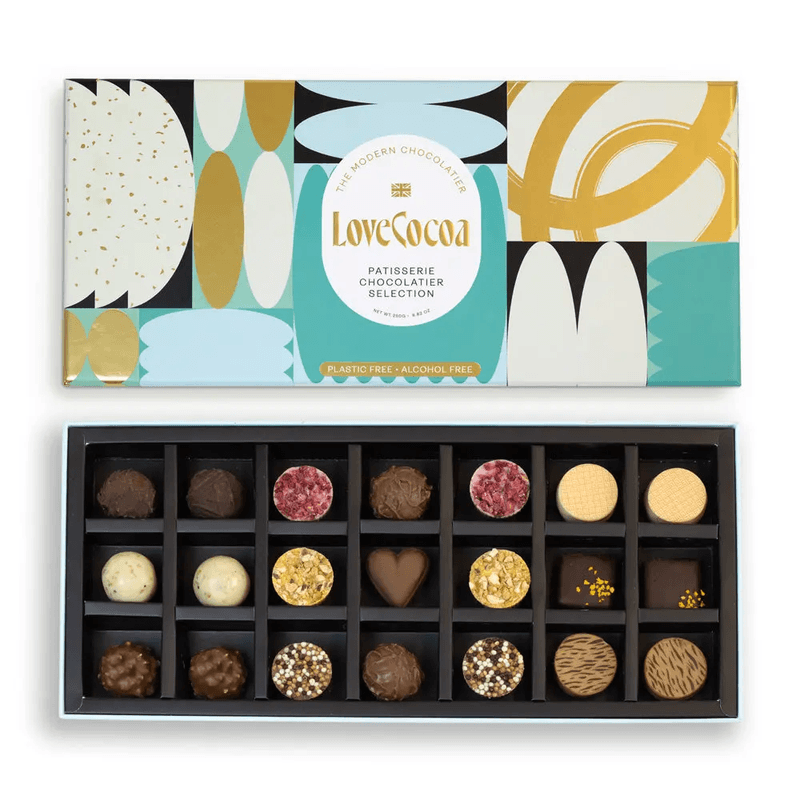
Love Cocoa: its current range includes bars, truffles and gift assortments. Love Cocoa Use it to explore gifting presentation and assortment, then test your own fulfilment and margin assumptions. Do not infer a market share or a per-product environmental pledge from the brand's positioning.
Wild Thingz: its range provides a plant-based sweets comparator. Wild Thingz Compare the actual ingredients and format with the target shelf set; brand language alone does not establish promotion eligibility.
Misfits: its UK range centres on protein bars. Misfits UK Use this as an adjacent snacking comparison when the buyer's brief includes protein, rather than treating all protein-bar sales as confectionery demand.
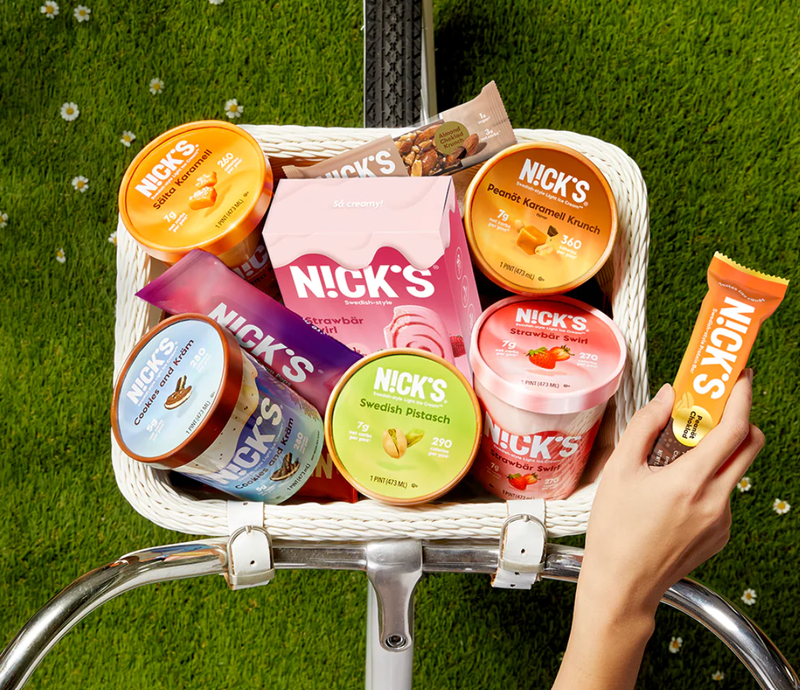
Nick's: its international site spans ice cream, protein bars and chocolate products. Nick's product range This illustrates a category-boundary issue: confirm the specific UK SKU, availability and specification before using it in a UK competitive set.
UK Confectionery Market Trends: Opportunities
Turn a product concept into a testable channel proposal:
- Grocery: supply a shelf comparison, everyday price, permissible promotion plan and replenishment forecast.
- Convenience: test case size, shelf footprint, minimum order and the outlet's expected rate of sale.
- Gifting and specialist retail: agree the occasion, delivery deadline, packaging and leftover-stock plan.
- Direct online sales: cost delivery and damage risk, repeat purchasing and a compliant acquisition plan before assuming attractive margins.
Use the UK distributor selection process to check category fit, territory, storage and launch ownership. A broad foodservice customer list is not evidence that a distributor can sell a premium gift box or develop a grocery sweets listing.
FAQs
1. How big is the confectionery market in the UK?
The answer depends on whether the dataset covers chocolate and sugar confectionery or also includes ice cream and bakery, and whether it measures retail sales, production or trade. The overview table provides verified price and chocolate-import measures; they should not be presented as a total retail-market valuation. Request a dataset matching the category and channel in your launch plan.
2. What are 3 major UK confectionery market trends to keep in mind?
Price and volume can move differently; retail-promotion requirements vary across the four nations; and manufacturers are testing formulation and seasonal formats. The evidence and dates for each are set out above. Translate them into pack economics, a destination-specific promotion plan and a bounded product trial.
3. Which are the top 3 brands in the confectionery market in the UK?
A defensible ranking needs a named dataset, period, channel and metric, including whether it ranks companies or individual brands. A chocolate ranking would not necessarily answer a sugar-confectionery buyer's question. Use the sourced examples above to construct a relevant shelf comparison rather than treating them as a top-three ranking.
Ready to Expand Your Confectionery Brand in the UK?
Prepare your target channel, product specification, price model and launch constraints before approaching buyers. Explore GourmetPro's market-entry support or contact us to discuss the work your launch needs.
References
- ONS, chocolate CPI annual-rate series L7LC (2025 annual observation); accessed 16 September 2026
- ONS, confectionery-products CPI annual-rate series L7LD (2025 annual observation); accessed 16 September 2026
- Food and Drink Federation, Trade Snapshot 2025 (March 2026), page 4; accessed 16 September 2026
- DHSC, applying the new nutrient profiling model: consultation (25 March 2026); accessed 16 September 2026
- Nestlé, Easter 2026 confectionery range announcement (12 February 2026); accessed 16 September 2026
- DHSC, England HFSS location and volume-price promotion implementation guidance; accessed 16 September 2026
- Nestlé, Rowntree’s non-HFSS range announcement (24 January 2023); accessed 16 September 2026
- Wild Thingz, current product range; accessed 16 September 2026
- DHSC, nutrition and health claims: compliance guidance for Great Britain and Northern Ireland; accessed 16 September 2026
- Advertising Standards Authority, less healthy food products: general guidance; accessed 16 September 2026
- Welsh Government, HFSS promotion implementation guidance, part 1; accessed 16 September 2026
- Scottish Government, Food (Promotion and Placement) Regulations implementation guidance (17 March 2026); accessed 16 September 2026
- Northern Ireland Department of Health, consultation on restricting HFSS promotions (closes 21 October 2026); accessed 16 September 2026
- Love Cocoa, current product range; accessed 16 September 2026
- Misfits, UK product range; accessed 16 September 2026
- Nick’s, international product range (not evidence of UK availability); accessed 16 September 2026


![A Deep Dive into the India Confectionery Market [2025]](https://pub-57436e8345ca4215942d537b44590491.r2.dev/675570f7c96c030d90d8a465_images-for-blogs-10_9fcef9d897e4ce3ed226d454bca8e7ba_2000.jpeg)