On this page
Looking to increase the reach of your F&B products in the USA? The nation’s diverse network of supermarket chains can be the golden ticket your product needs to get in front of not only more consumers but the right consumers. Yet the US retail landscape is a crowded and competitive place, making it hard for F&B brands to know which grocers to target with their products. GourmetPro has got you covered.
We asked our team of US experts to narrow down a list of the top supermarkets that will do wonders for your product. Our experts have centuries of experience between them supporting F&B companies to unlock growth in the US market and have worked with all the chains below, and more.
When narrowing down which supermarkets are worth your time, our experts considered the following key criteria:
- Recent annual revenue figures.
- Reach on both national and regional levels.
- Potential collaboration opportunities for F&B ventures.
Of course, more factors went into an exhaustive analysis of nearly every significant retailer in the country. We focus on the above three in this article because they are essential for you to understand when it comes to identifying the right supermarket chains for your F&B brand. Without further ado, let’s find the perfect retail partner for your product!
The Top US Supermarkets For Your F&B Products in 2023 and Beyond
1. Walmart
- Annual Sales: Approximately $600+ billion
- Number of Stores: Over 10,000
Walmart maintains its stronghold in the grocery segment. They prioritize affordability and variety, offering a vast range of products. As a result, F&B brands can benefit from Walmart's massive customer base and extensive distribution network.
- Website: www.walmart.com
- Phone: 1-800-925-6278
- Base: Bentonville, Arkansas
2. Kroger
- Annual Sales: Roughly $137.9 billion
- Number of Stores: About 2,800
The Kroger chain, with its numerous store brands like Ralphs and Harris Teeter, offers an extensive selection of products. It's particularly known for fresh produce and private-label products. With a focus on sustainability and fresh products, Kroger continually attracts health-conscious consumers.
- Website: www.kroger.com
- Phone: 1-800-576-4377
- Base: Cincinnati, Ohio
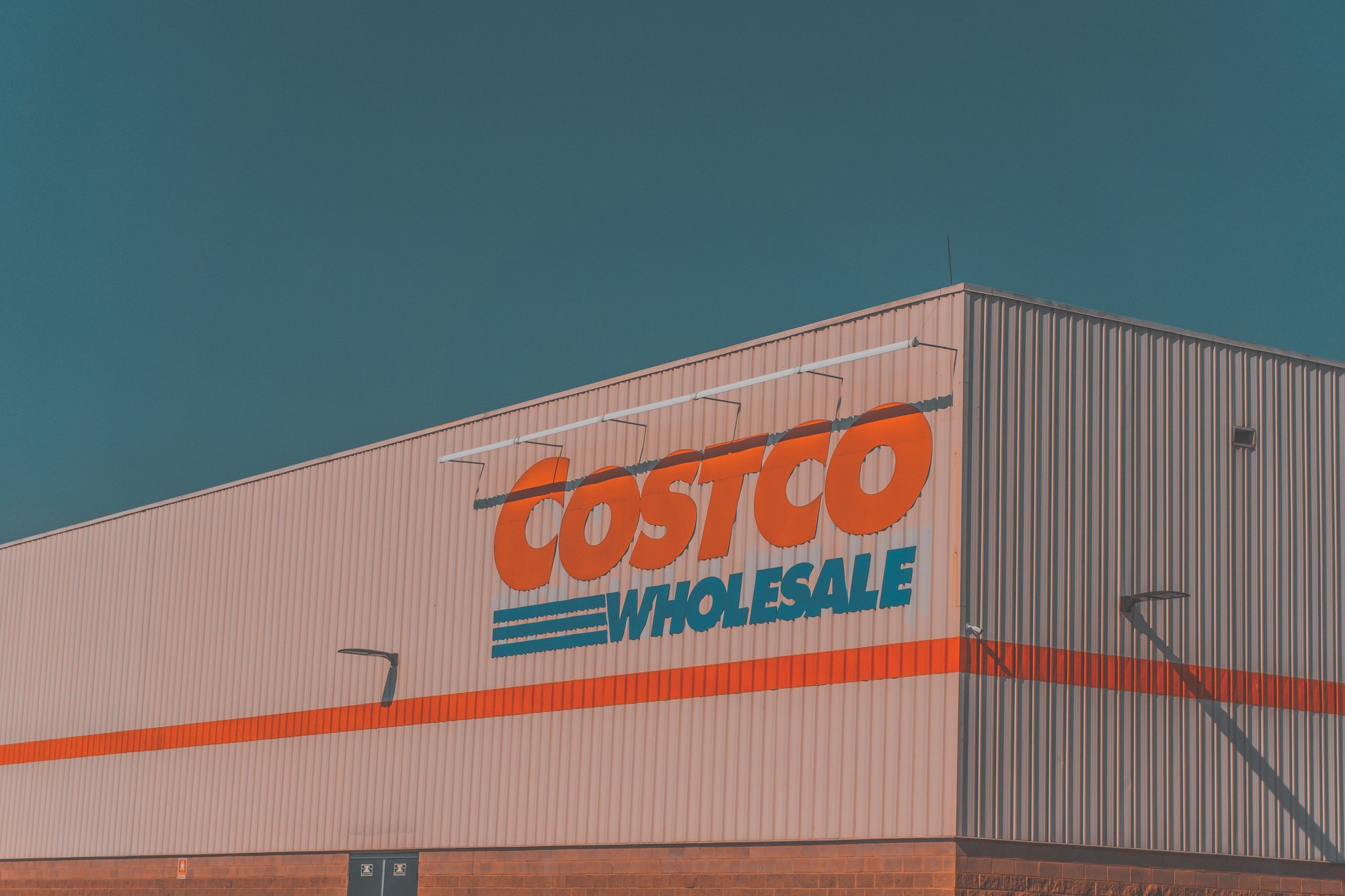
3. Costco
- Annual Sales: Around $227 billion
- Number of Stores: Over 550 in the US
Costco, a membership-based store, emphasizes bulk buying. Their in-house brand, Kirkland, offers an array of F&B products, while they also champion premium and gourmet food items. This combination of quality and quantity draws both households and businesses.
- Website: www.costco.com
- Phone: 1-800-955-2292
- Base: Issaquah, Washington
Find The Right Distribution Partner And Get Your Product On Your Dream Supermarket’s Shelves
Working with distributors in the US can give you access to vast networks of Supermarket chains. Check out our list of the top 16 US food distributors to find a partner who can help you expand your business in the States.
4. Albertsons
- Annual Sales: Approximately $69+ billion
- Number of Stores: 382+
Albertsons excels in providing a personalized shopping experience. They house a vast array of fresh products, with a significant emphasis on seafood and specialty products. Albertsons' commitment to community involvement also fosters strong customer loyalty.
- Website: www.albertsons.com
- Phone: 1-877-723-3929
- Base: Boise, Idaho
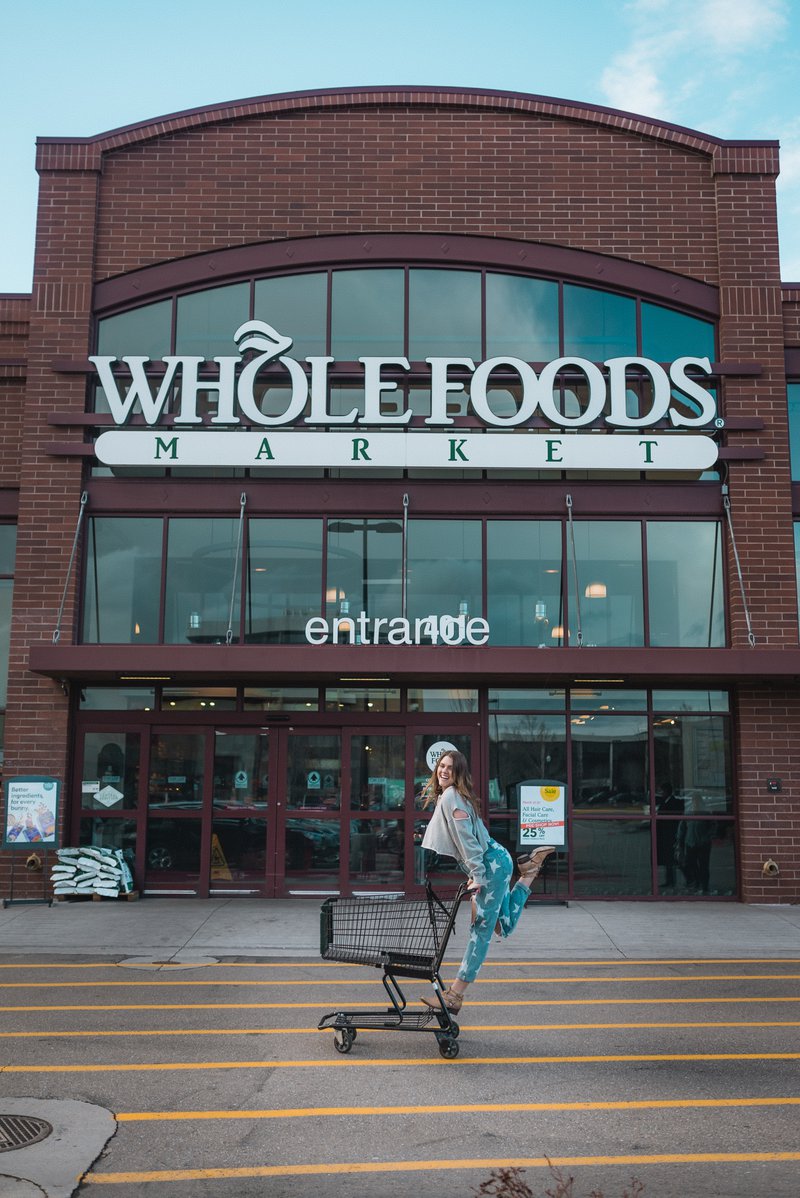
5. Amazon (Whole Foods)
- Annual Sales: Estimated $16 billion from Whole Foods
- Number of Stores: 500+ Whole Foods locations
Amazon's acquisition of Whole Foods marked its determined entry into the brick-and-mortar grocery sector. Whole Foods is renowned for its organic and natural products, attracting a niche of health-focused consumers. Their recent integration with Amazon Prime has enhanced customer convenience and reach.
- Website: www.wholefoodsmarket.com
- Phone: 1-512-477-4455
- Base: Austin, Texas
6. Publix
- Annual Sales: Close to $50+ billion
- Number of Stores: 1,200+
A significant player in the South, Publix emphasizes quality and customer service. Their bakery and deli sections are especially popular. As a company with strong community ties, it garners significant customer loyalty.
- Website: www.publix.com
- Phone: 1-800-242-1227
- Base: Lakeland, Florida
7. H-E-B
- Annual Sales: Estimated $38+ billion
- Number of Stores: 420+
Operating predominantly in Texas, H-E-B champions locally sourced products. Their commitment to quality and community makes them a Texan favorite. Their consistent innovation, especially in the gourmet sector, attracts diverse consumer groups.
- Website: www.heb.com
- Phone: 1-800-432-3113
- Base: San Antonio, Texas
8. Meijer
- Annual Sales: Around $19+ billion
- Number of Stores: 250+
Meijer, a regional favorite in the Midwest, focuses on freshness. They offer a wide variety of national and local brands. The store's format, combining groceries with department store goods, offers consumers a one-stop-shop experience.
- Website: www.meijer.com
- Phone: 1-877-363-4537
- Base: Grand Rapids, Michigan
Make a Good Impression With US Supermarkets - Nail Your Label!
No matter how fantastic your product is, it won’t touch supermarket shelves if your label doesn’t meet US food labeling requirements. Review our expert-backed guide to ensure your food and beverage products keep regulators - and supermarkets - happy.
9. Aldi
- Annual Sales: Approximately $18.4 billion
- Number of Stores: 2,000+
Aldi, a global discount supermarket chain, offers a unique model focusing on private labels and cost-saving measures. They prioritize quality products at low prices. This attracts a wide range of customers looking for value without compromising on product standards.
- Website: www.aldi.us
- Phone: (630) 879-8100
- Base: Batavia, Illinois
10. Stop & Shop
- Annual Sales: Estimated $15.2 billion
- Number of Stores: 400+
A key player in the Northeast, Stop & Shop is known for its wide-ranging product lines. From fresh produce to gourmet sections, they cater to varied customer needs. Their emphasis on community involvement enhances their brand loyalty in the regions they operate.
- Website: www.stopandshop.com
- Phone: 1-800-767-7772
- Base: Quincy, Massachusetts
11. Wegmans
- Annual Sales: Approximately $11+ billion
- Number of Stores: 110+
Operating mainly in the Northeast, Wegmans is celebrated for its quality products and exceptional customer service. Their emphasis on organic and health-conscious offerings has carved a niche among consumers. Their prepared food section, including bakery and deli, is particularly popular.
- Website: www.wegmans.com
- Phone: 1-800-934-6267
- Base: Rochester, New York
Ready to Conquer The Top US Supermarkets?
Navigating the US supermarket scene poses both challenges and opportunities for F&B brands. Recognizing leading players based on their sales and reach can significantly influence market entry strategies. To streamline the process, partnering with industry veterans like those at GourmetPro can prove invaluable.
Book a free consultation and share your needs.
FAQ’s For The Top US Supermarkets
1) What is the biggest supermarket in the US?
The largest supermarket in the US in terms of annual sales and number of stores is Walmart Supercenter. It boasts a revenue of approximately $390 billion and has over 4,700 stores across the nation, making it a dominant player in the retail sector.
2) What is America's first supermarket?
Piggly Wiggly, founded by Clarence Saunders in 1916 in Memphis, Tennessee, is credited as the first true self-service grocery store, introducing innovations that set the standard for modern supermarkets.
3) Which supermarket is the best in the US?
Defining the "best" supermarket can vary based on specific criteria like product range, customer service, or regional focus. However, each of the top supermarkets mentioned in the article brings unique offerings to the table. To determine the optimal supermarket for your F&B product, consulting experts can be pivotal. Reach out to GourmetPro's professionals today to find the perfect fit for your brand in the US market.