On this page
A spirits launch in France needs a domestic category and channel case. The international reputation of French Cognac or whisky does not establish demand for a new product on a French shelf or bar menu.
This guide separates domestic sales from exports and uses the year and channel attached to each measurement. For a wider country comparison, use the international spirits markets guide; for the next country and distribution decision, use European route-to-market planning.
Domestic demand: read the channel and the unit
The Fédération Française des Spiritueux's June 2025 economic release reports the following 2024 results from NielsenIQ. GMS means the measured grocery-retail channel; CHR covers cafés, hotels and restaurants.
| 2024 channel | Reported volume | Value evidence | Change from 2023 |
|---|---|---|---|
| GMS grocery retail | 247 million beverage litres | €4.9 billion | Volume −3.8%; value −3.6% |
| CHR hospitality | 20.8 million beverage litres | Value change reported separately | Volume −2%; value −1.8% |
These are channel measurements, not an all-channel 2026 market estimate. Beverage litres also differ from litres of pure alcohol used in other consumption and tax series. FranceAgriMer's January 2026 sector sheet provides further context on the 2024 domestic contraction and separately reports international trade.
The commercial implication is to test a specific price band and repeat-purchase proposition. A higher price or craft story needs buyer evidence; the FFS release describes premiumisation as paused in the measured period.
Use the domestic category mix to choose competitors
According to FFS Repères 2024, whiskies represented 37.8% of GMS spirits volume, anise spirits 19.3% and rum 14.2%. Cognac represented 0.3%. These are French grocery volume shares, not all-channel value shares or a ranking of French exports.
For a whisky proposal, distinguish the intended style, origin, bottle price and shelf role before selecting comparison products. For rum, gin, agave spirits or brandy, build the same channel-specific comparison instead of borrowing a global growth forecast. Record actual pack size, ABV, regular price, promotional price and availability in the target outlets.
A specialist retailer may evaluate a different assortment from a grocery buyer. Category size can guide the questions, but a large share does not prove room for your SKU, and a small share does not establish a profitable niche.
Choose a retail or hospitality route
In grocery retail, the proposal needs a shelf price, buyer margin, supply capacity and replenishment plan. Identify which accounts and buying level a prospective importer or distributor can actually serve. Ask for relevant category experience and a concrete launch plan rather than assuming that a broad food-distribution network can handle spirits.
For a caviste or other specialist outlet, qualify the intended price range, assortment and reorder pattern. For CHR, work from the proposed serve: bottle yield, cost per serve, menu price, staff requirements and expected reorder frequency. Grocery sales figures cannot establish those economics.
The French public-service guide to alcohol licences distinguishes beverage groups and on-premise, restaurant and takeaway roles, including remote sales. Check the actual counterparty and sales activity. A food-business relationship alone does not establish the required alcohol authorisation.
Calculate the offer after alcohol-specific costs
Build a landed-cost proposal from bottle volume, ABV, shipment terms, customs treatment, applicable excise, other charges, storage and channel margins. Ask who will own the goods at each stage and handle the relevant alcohol movements and declarations.
French Customs' rates effective 1 January 2026 set the standard excise for “other alcohols” at €1,932.42 per hectolitre of pure alcohol. For illustration, a 700 ml bottle at 40% ABV contains 0.0028 hectolitres of pure alcohol; applying that rate gives about €5.41 in this excise component. This is an arithmetic example, not the bottle's total tax: category-specific treatment, the social-security contribution where applicable, VAT and other charges require a full calculation.
Agree who funds introductions, samples and permitted launch activity, and how performance will be judged. Compare reorders and outlet-level sales with stock shipped into the distributor. Distribution alone does not demonstrate consumer demand.
Review product identity and promotion before launch
The DGCCRF guidance on the presentation and labelling of wines and spirits points to category-specific rules, including Regulation (EU) 2019/787. Check that the recipe, legal designation, origin statements and French label support the intended positioning. A no-alcohol alternative should not automatically use a protected spirits category name as its legal designation; assess its naming separately.
Alcohol promotion is also a specific workstream. Public Health Code Article L3323-2 specifies permitted advertising media and conditions; Article L3323-4 limits advertising content and addresses health messages. Review the exact communication, audience and placement before budgeting a digital campaign, event or other promotion.
The food-export compliance overview can help organise a wider export project. Alcohol excise, authorisations, category names and promotion require the additional checks above; general food readiness does not resolve them.
Keep French exports separate from domestic opportunity
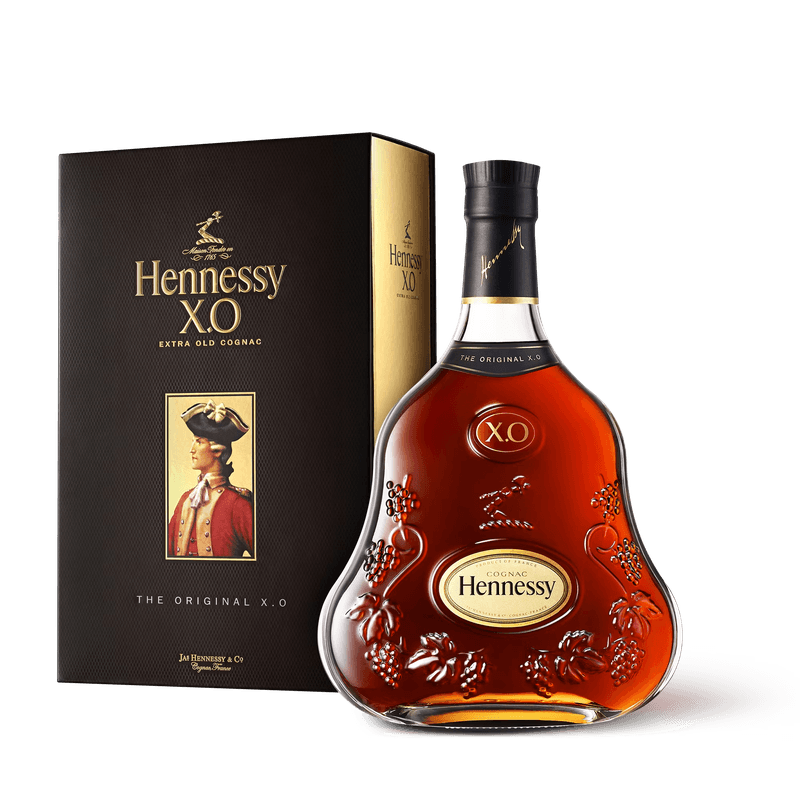
The FEVS 2025 export booklet, using customs data, reports €3.7 billion in French spirits exports, down 17.4% in value from 2024. This describes spirits shipped out of France. It is not consumer spending in France and should not be added to domestic grocery sales to size an incoming brand's market.
For an exporter selling into France, the relevant decision remains the French customer, competitor set and licensed route. If the project instead concerns taking a French-origin product abroad, build a separate destination-market case.
FAQs about the French spirits market
How large is the French domestic spirits market?
The cited FFS series reports €4.9 billion and 247 million beverage litres in GMS grocery retail for 2024, with CHR reported separately. Keep that channel scope attached to the number. It is not a combined total for domestic spending and exports.
Which spirits have the largest measured grocery volume shares?
Whiskies, anise spirits and rum account for 37.8%, 19.3% and 14.2% respectively in the cited 2024 GMS series. The ranking refers to grocery volume, not every French sales channel or premium price band.
What should a new brand test first?
Test category fit, shelf or serve economics and a partner's access to the intended outlets. Review the label, tax calculation and promotional model before committing launch funds. Neither a craft description nor export prestige establishes a domestic sales forecast.
Build a focused French spirits entry plan
Start with one category, price band and channel, then qualify the commercial and alcohol-specific responsibilities around that offer. For support with country strategy and route selection, explore GourmetPro's market-entry planning service.
References
- Fédération Française des Spiritueux's June 2025 economic release
- FranceAgriMer's January 2026 sector sheet
- FFS Repères 2024
- French public-service guide to alcohol licences
- French Customs' rates effective 1 January 2026
- DGCCRF guidance on the presentation and labelling of wines and spirits
- Public Health Code Article L3323-2
- Article L3323-4
- FEVS 2025 export booklet
![A Definitive Guide to the US Spirits Market [2025]](https://pub-57436e8345ca4215942d537b44590491.r2.dev/67358e3a9890d5dc014635bc_pexels-mikhail-nilov-8920156_75e7bc3942555902bb91dd642f561730_2000.jpeg)
![The Most Exciting Global Spirits Markets [2025]](https://pub-57436e8345ca4215942d537b44590491.r2.dev/673584f33a174bf001d6d7ff_pexels-kelly-1179532-2796105_d526fc55ebb87e7ff226ce1375e395c5_2000.jpeg)