

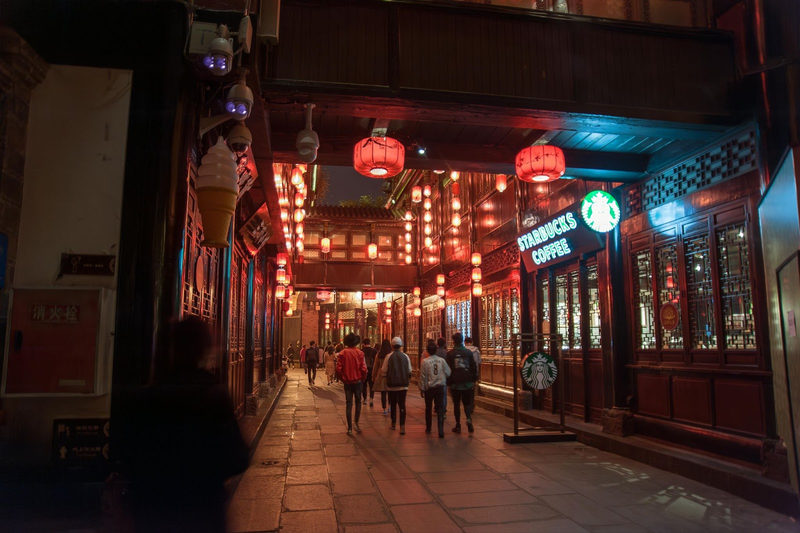
Introduction to the China F&B Market
The China F&B market, specifically foodservice, is valued at USD 587.8 billion in 2025, projected to reach USD 766.5 billion by 2030 (CAGR ~5.45%). Yet, foreign brands face tough competition as local players rise.
Successful brands adopt three key strategies:
- Localize products to match regional tastes and cultural preferences
- Master digital platforms like WeChat and Douyin for customer engagement
- Stay agile with rapidly evolving consumer trends
This guide reveals how leading F&B brands implement these strategies to build sustainable, profitable operations in China's dynamic market.
Understanding the China F&B Market Landscape
Market Trends
1. Rapid Growth of Quick-Service and Delivery-First Models
Quick-service restaurants (QSRs) and delivery-first concepts are gaining market share, fueled by the convenience economy and digital integration. For example, major players like McDonald’s are expanding aggressively into lower-tier cities, while Yum China leverages AI-driven supply chains and kitchen automation to improve scalability and cost-efficiency.
2. Chain Dominance Across Formats
Branded chains now account for more than half of the market. Their advantages lie in compliance with regulatory standards, consistent quality, and strong digital infrastructure. In particular, beverage chains like Luckin Coffee and Chagee are expanding rapidly. Notably, Luckin even surpassed Starbucks in store count, while Starbucks continues to lean on premium experiences and localized seasonal offerings.
3. Strategic Location Advantage
Foodservice growth is anchored in retail venues and mall-based food courts, which benefit from high foot traffic. Meanwhile, leisure destinations such as theme parks, cultural attractions, and high-speed rail stations are emerging as new growth hotspots.
4. Cuisine Preferences and Category Winners
Asian fare continues to dominate, representing over 45% of the foodservice market in 2024. Specialty beverages, especially affordable coffee and tea concepts, are among the fastest-growing segments, thereby creating new opportunities for beverage-led business models.
Consumer Trends
1. Urban Youth as Key Consumers
Younger consumers, especially those in Tier-1 cities, are shaping demand with preferences for healthier, lighter meals, plant-based options, and fusion flavors. Their openness to global concepts, paired with a desire for authenticity, makes them a critical target segment.
2. Cost-Conscious Gen Z in Lower-Tier Cities
Gen Z in smaller cities values affordability and localized flavors over premium positioning. For brands, this means adjusting pricing strategies and tailoring menus to reflect local taste profiles.
3. Health and Wellness Mindset
Health consciousness is driving steady demand for organic, chemical-free options, functional foods, and transparency in sourcing. Consumers increasingly expect brands to highlight nutritional benefits, clean labeling, and sustainability.
4. Experience-Driven Dining
For many younger diners, restaurants are not just about food but social experiences. Interactive formats, social media-worthy design, and seasonal pop-ups continue to capture attention, creating opportunities for differentiation beyond the menu.
Curious about how consumer trends are playing out in the confectionery market in China? Read more.

Challenges
1. Rising Operational Costs
Labor shortages and wage growth are pushing operators to adopt AI-driven supply chains, robotics, and kitchen automation. While these solutions bring efficiency, they require significant upfront investment, favoring larger chains.
2. Regulatory Pressures
Stricter food safety and sustainability regulations are increasing compliance requirements. Smaller independent operators face higher barriers to entry, while chains with established processes are better equipped to adapt.
3. Intense Competition
The market’s sheer size and growth potential continue to attract new entrants. Brands must move quickly with localization, digital marketing, and competitive pricing to stand out in a crowded landscape.
4. Balancing Global Identity with Local Expectations
Foreign F&B brands often struggle to reconcile global brand identity with local adaptation. Striking this balance is critical. Consumers want authenticity but expect offerings tailored to Chinese culture and preferences.
Find out who the top 12 food distributors are in China and read our ultimate guide to finding the right one for you.
Strategy 1: Master Product Localization
Why Localization Matters in the China F&B Market
Chinese consumers expect brands to demonstrate cultural respect through authentic menu adaptations. Successful localization goes beyond translation; it requires integrating regional flavors, local ingredients, and traditional dining customs into core offerings.
How KFC China Adapts to Local Tastes
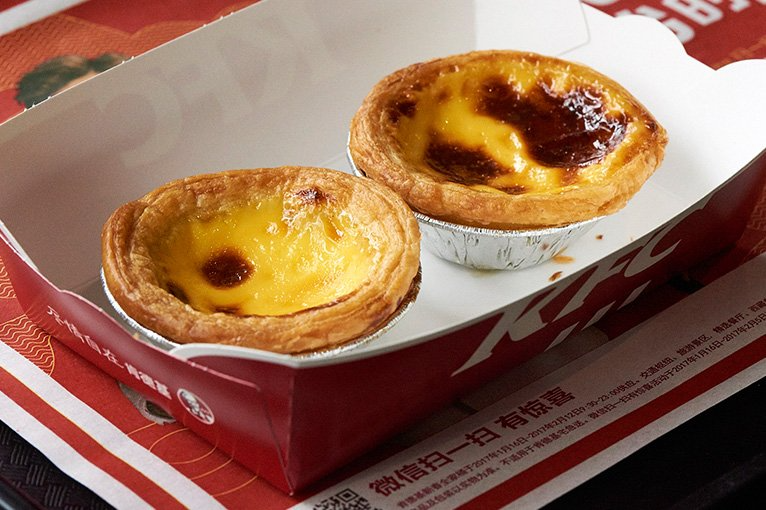
KFC built success in China by embracing local tastes. Alongside fried chicken, it offers congee, rice dishes, and egg tarts, which align with regional dining habits. This adaptability made China one of KFC’s most profitable markets.
Starbucks’ Balance of Global and Local
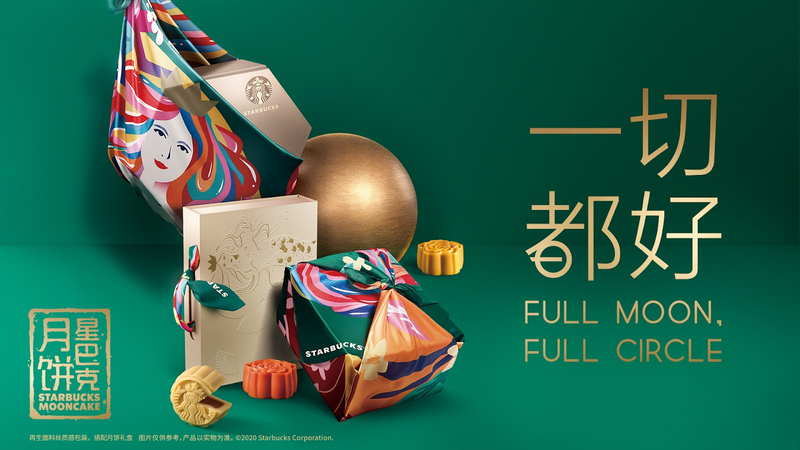
Starbucks aims to operate 9,000 stores across 300 Chinese cities by 2025, according to the company's official press release from October 2024. The brand balances global consistency with local appeal through tea-based beverages like green tea lattes, seasonal offerings like moon cakes during Mid-Autumn Festival, and store designs incorporating Chinese architectural elements.
Practical Localization Steps
- Start with deep regional research. Consumer preferences vary widely by city and region. Brands should identify local trends and ingredient availability. This ensures a strategy based on real insights.
- Introduce limited-edition offerings. Seasonal products tied to festivals – like Spring Festival – help brands gain cultural relevance. Quick feedback allows for adjustments before larger rollouts.
- Balance global brand identity and local appeal. Keep core brand elements recognizable but adapt secondary items to fit local tastes. Staff training is crucial for meeting both global standards and local expectations.
- Optimize for diverse regional preferences. Preferences for protein and spice levels differ across China. Successful brands provide flexible menus, including vegetarian and health-conscious options.
Strategy 2: Dominate Digital Ecosystems
Why Digital Platforms Are Critical
China's digital landscape is unique. Success requires integration with super-apps and short-video platforms. Mastering these channels allows brands to reach billions of engaged consumers.
WeChat: Your All-in-One Marketing Hub
WeChat’s 1.38B users make it essential for F&B growth in China. The platform allows ordering, payments, loyalty programs, and direct engagement.
Mini Programs are used by 90% of users. They streamline orders, loyalty management, and reservations, making brands a part of daily life.
Content is key. Posting 2–3 times a week with recipes and offers keeps audiences engaged. Coupled with WeChat Pay, brands can offer coupons and track purchases.
Douyin: Short-Video Marketing Powerhouse
With 748M monthly users, Douyin is vital for food and beverage brands. Authentic 15–30 second videos, showing food prep or promotions, quickly capture attention.
Livestreaming boosts conversions. Over 90% of users watch livestreams, making real-time cooking demos and Q&As effective tools for building loyalty.
Partnering with KOLs enhances impact. Macro-influencers provide reach, while micro-influencers offer niche credibility. Both are vital for brand growth in China’s digital space.
Digital Marketing Action Plan
Focus on platform-specific content, KOL partnerships, and universal payment integration (WeChat Pay & Alipay). Track analytics closely to refine campaigns and maximize ROI in China’s fast-paced foodservice market.
Strategy 3: Adapt to Consumer Trends
China's Dynamic Consumer Preferences
Chinese F&B consumers are changing fast. Their preferences focus on health, convenience, and experiences. Brands must respond to these shifts to stay relevant.
Health and Wellness Revolution
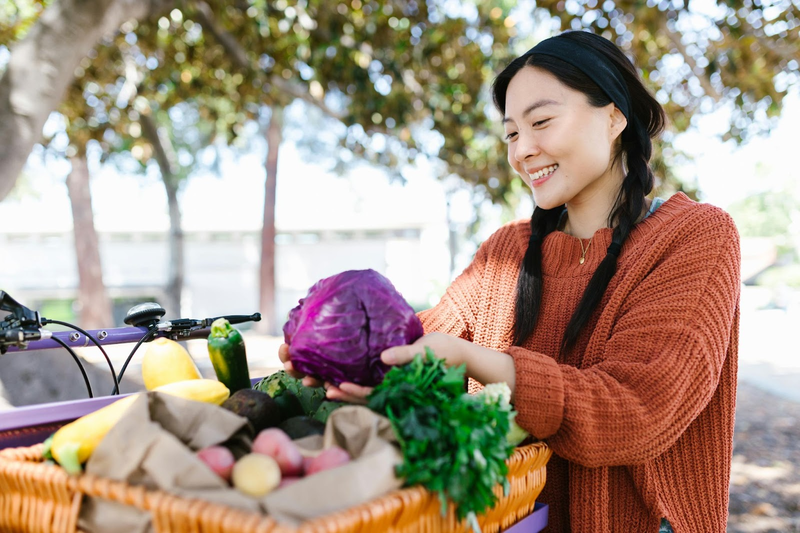
Health consciousness is driving market growth in China. Consumers want organic, chemical-free options, and transparency in sourcing. Functional ingredients are gaining popularity.
How Brands Are Responding:
- Providing detailed nutritional info and ingredient sourcing.
- Highlighting functional benefits (immunity support).
- Using clean labels with minimal processing.
- Expanding plant-based and vegetarian options.
The Chinese government supports organic growth with favorable regulations, creating a good environment for health-focused brands.
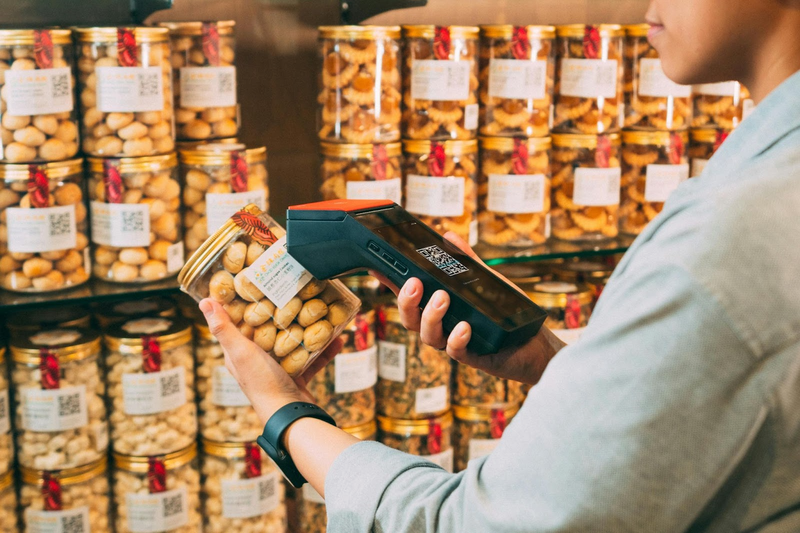
Convenience-Driven Consumption in the China F&B Market
Technology boosts convenience in China’s foodservice. Smart vending machines offer fresh food 24/7 with cashless payments. AI-driven ordering systems enable facial recognition payments and personalization.
Delivery platforms like Meituan and Ele.me are key growth drivers. Ghost kitchens, quick delivery, and subscription services are transforming meal access, making convenience essential.
Lower-Tier City Expansion
Tier 3–5 cities are the next growth frontier. By 2024, two in five Douyin users were from lower-tier cities. These areas offer attractive entry points due to lower costs and rising incomes.
Experience-Driven Dining
Younger consumers want experiences, not just food. Restaurants are adding live cooking stations and chef-led events, turning dining into entertainment.
Social media-friendly spaces enhance visibility. Curated interiors and dishes encourage user-generated content, amplifying reach.
Cultural immersion strengthens authenticity. Regional storytelling and community events connect brands with consumers deeply.
Trend Adaptation Recommendations
- Use health-oriented ingredients and obtain certifications (organic, non-GMO) to build trust.
- Leverage AI-driven ordering and delivery automation to enhance efficiency.
- Design for social sharing with photogenic dishes and campaigns promoting user-generated content. Adapt to lower-tier cities by modifying menus and pricing.
Key Takeaways for Market Entry
Winning in China’s F&B market requires cultural insight, digital-first operations, agility, and strong partnerships. Executives should focus on these four pillars:
- Cultural Understanding: Invest in market research, build regional teams, and continuously test products with real consumer feedback. Respect for cultural nuance is critical to brand acceptance.
- Digital-First Execution: WeChat and Douyin must anchor your strategy from the start. Integrate mobile payments, use analytics for decision-making, and lean on experienced local digital agencies for speed.
- Agile Innovation: Monitor fast-changing consumer trends, adapt menus by season and city, and run limited-time offers. Brands that respond quickly to market signals are those that thrive.
- Strategic Partnerships: Build resilience through local suppliers, digital tech vendors, and marketing agencies with F&B expertise. Franchise models can unlock lower-tier cities, while sustainability partnerships future-proof operations.
In short, the brands that succeed localize deeply, go digital-first, innovate fast, and partner smartly.
FAQs
1. How big is China’s F&B market in 2025?
China’s food and beverage (F&B) market in 2025 is valued at over $540 billion and projected to grow steadily to $766.5 billion by 2030, at a CAGR of 5.45%. This makes it one of the world’s fastest-growing foodservice markets, fueled by urbanization, digital adoption, and changing consumer lifestyles.
2. What’s the biggest challenge for foreign F&B brands in China?
The main challenge lies in balancing global brand identity with local relevance. Chinese consumers value authenticity and consistency but expect menus, pricing, and experiences adapted to their culture. Brands that fail to localize taste profiles, seasonal offerings, or digital engagement strategies often struggle against agile domestic competitors.
3. Which digital platforms matter most for market entry?
Success in China’s F&B market depends on mastering WeChat and Douyin, the country’s dominant digital platforms. Both combine social media, e-commerce, and mobile payments, enabling brands to market, sell, and build loyalty in one ecosystem. These platforms drive discovery, consumer engagement, and transaction flow for nearly every foodservice brand in China.
Conclusion
China’s F&B market moves fast, and only brands that localize deeply, digitize smartly, and innovate with agility stay ahead. Success isn’t about taking risks. It’s about making the right moves with the right insights.
GourmetPro helps you enter China with confidence. Our local experts provide the on-the-ground knowledge, proven strategies, and trusted partnerships to minimize risk, accelerate growth, and give your brand a clear competitive edge.
Ready to Explore China’s F&B Market?
A quick strategy call can help you spot opportunities, avoid common pitfalls, and chart a clear roadmap for success.
Book your free strategy session today and take the first step toward scaling in China.


