
Germany Market Entry for F&B Brands - Country Hub
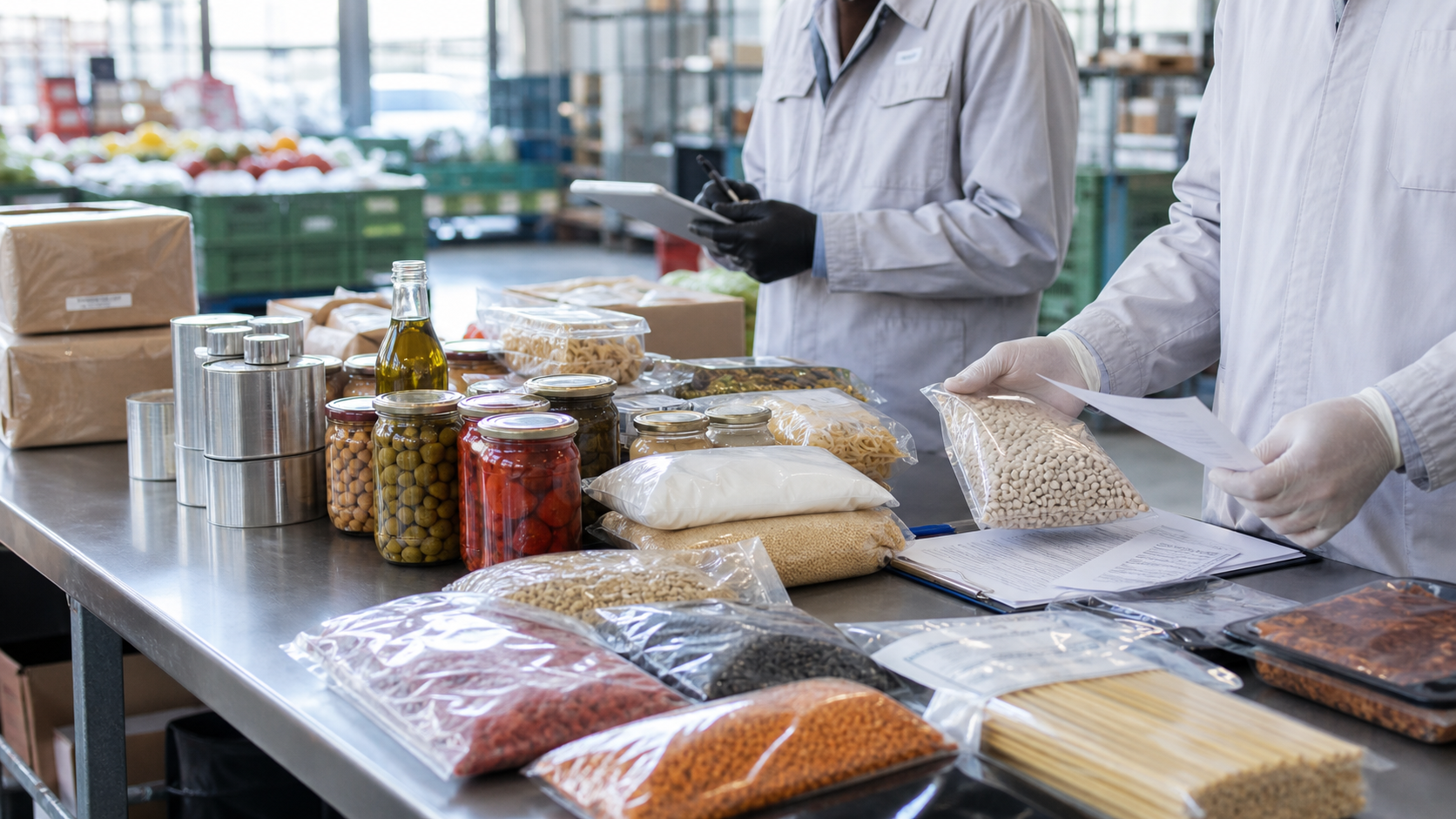
Plan German food and beverage sales around a specific product, customer and channel. Connect EU and German compliance preparation with the importer, distributor, retailer and supply responsibilities needed for your launch.

.webp)


.avif)

.webp)
.avif)


.avif)








A Germany launch plan should name the product, customer, sales channel and business responsible for bringing the goods to market. Use this country hub to connect compliance preparation with distributor and retailer decisions. If the first country is still undecided, the Europe market-entry hub helps frame that wider choice.
For the product-by-product border route, importer responsibilities, labels and shipment documents, use our Germany food import regulations guide before finalising the launch plan.
Is Germany a good market for F&B exporters?
Germany may be a suitable market when there is evidence of demand for your product at a viable landed price. Start with a specific buyer and channel hypothesis: a branded grocery listing, a retailer-brand supply contract, an ingredient sale and a foodservice distributor relationship require different propositions. Category size alone does not establish that your product can win a listing or support the cost of entry.
For a confectionery proposal, assess the confectionery category, including pack economics and seasonal stock. For spirits, assess spirits channels and category conditions alongside alcohol-tax costs and the responsibilities for excise movements.
Build the initial decision around four questions. Use the answers to define the scope and sequence of the launch.
| Entry decision | What to establish for Germany |
|---|---|
| Product and compliance | Which requirements apply to this formulation, origin, intended use and presentation? Who will resolve outstanding questions? |
| Customer and channel | Which buyer would purchase the product, and what range role, price and supply terms would make the proposal credible? |
| German-market packaging | Mandatory food information must be in German under section 2 of the LMIDV. Check the actual artwork before printing. |
| Delivery and ownership | Who owns importing, storage, sales, samples and follow-up? Can the supply model meet the target customer's requirements? |
Why generic Europe positioning fails
A regional ambition needs country-level operating decisions. A distributor's presence in several countries is not evidence that it serves your intended German customers. Ask for the relevant category experience, customer coverage, territory, delivery capability and commercial terms before treating a partner as the route to market.
Separate the destination market from the logistics route. Choosing an EU port or warehouse does not decide where the product will be sold, how it will be labelled for that market or which buyer will purchase it. A trade show can support a defined buyer search; it should not substitute for that decision. Set the meeting objective and follow-up owner before committing to an event.
The Germany Market-Entry Playbook: What Regulatory Compliance Actually Requires
Begin with the EU baseline and then identify the German requirements and authorities relevant to the product. The General Food Law, Regulation 178/2002, provides the framework for food safety across production and distribution. It is a starting point for a product assessment, not a complete checklist for every category.
Regulation 1169/2011 on food information to consumers covers matters including allergen information, nutrition information for most prepacked processed foods, specified origin information and food-business responsibilities. Check the applicable details and exemptions for the product. Nutrition and health claims have a separate framework under Regulation 1924/2006; a translated claim is not evidence that its use is permitted.
In Germany, food-law enforcement, including import rules, is the responsibility of the federal states (Länder). The federal ministry's import guidance directs businesses to the food-control authority at the German food business or importer's location for questions about an individual product. The BfR directory of state food-control authorities helps identify the relevant local office.
Use the following sequence to assign the work:
- Assess the product's formulation, intended use and presentation against the applicable EU and German requirements.
- Check German-language mandatory information, allergens, nutrition, origin where required and any claims before approving packaging.
- Establish the import route for the product and origin. The Commission's official-controls guidance distinguishes animal-origin products and other controlled categories from foods that do not routinely require mandatory border checks. Some non-animal foods are subject to increased controls.
- Agree who owns import compliance, documentation, storage and onward supply. Confirm the requirements for the actual sample or commercial shipment before dispatch.
Track unresolved requirements alongside the channel plan, with a named owner and the evidence needed to close each item. For a comparison of compliance work across export destinations, see the cross-market food export compliance overview.
Distributor and channel access in Germany
Start with the customer you want to reach, then assess whether direct selling, an importer, a distributor or another partner can perform the required work. Do not assume that sales representation includes import responsibility, warehousing or regulatory support. Record those responsibilities in the proposed operating model.
German grocery buying needs a more precise target than a group name. For example, EDEKA's 2025 Corporate Report describes independent retailers, regional wholesale and headquarters as the three parts of its cooperative structure. For a supplier, the practical implication is to establish which level handles the proposed category and territory before preparing the approach.
For direct grocery targeting, map Germany's supermarket groups, banners and buying structures before approaching a category team. Manufacturers proposing retailer-brand products can use the Germany private-label supplier guide to prepare the range role, technical evidence and commercial model.
| Search route | Useful output | What to verify next |
|---|---|---|
| Direct distributor research | A longlist organised by product category, channel and territory | Validate active customer coverage, competing products, import capability, storage and commercial terms before shortlisting. |
| Supported partner search | A search brief, candidate screening and structured conversations | Define selection criteria and deliverables through the distributor partner-search service before discussing exclusivity. |
| Trade-show meetings | Conversations with candidates selected for the German sales objective | Agree sample readiness, qualification questions and follow-up responsibilities. A Germany entry consult can help scope the preparation. |
A useful shortlist records why each candidate fits, which responsibilities it accepts and what remains unverified. Use our guide to finding and assessing a food distributor to structure that work. Avoid granting a broad territory solely on the strength of an introductory meeting; first establish the proposed coverage, performance expectations and terms.
What does market-entry advisory cost in Germany?
A product-compliance assessment, a distributor search and a broader country-entry programme have different scopes. Ask for a proposal that identifies the work, deliverables, decision points, responsibilities and exclusions. This page does not provide a standard Germany-entry price.
Bring the product specifications, origin, intended channel, current packaging, supply capacity and pricing assumptions to the scoping conversation. Specify whether the immediate decision is market selection, product readiness, partner selection or buyer preparation. Budget separately for any testing, packaging changes, logistics and commercial activity outside the advisory scope.
Who is Germany market entry for?
This guidance is for food and beverage manufacturers, brands and ingredient suppliers assessing or preparing German sales. Readiness depends on the proposed product and operating model, not company size alone. A focused pilot still needs clear ownership, a viable supply model and a product that meets the applicable requirements.
Before committing to wider outreach, assemble evidence of buyer interest, a landed-price model, product documentation and the resources to fulfil and support orders. If one of those is missing, scope the next stage around resolving it. Being in a category such as dairy, plant-based food or premium beverages does not by itself demonstrate German-market fit.
How does Germany compare to France and the Netherlands?
Compare the same product and channel proposition in each candidate country. A useful decision sheet tests demand, margins, operating responsibilities and unresolved requirements on a consistent basis. It should distinguish a country chosen for sales from one used for import or fulfilment.
| Candidate country | Decision to test | Evidence to collect |
|---|---|---|
| Germany | Can the proposed channel support the product's price and supply model? | Named buyer targets, German-market artwork review, partner responsibilities and a costed delivery route |
| France | Does the same proposition have stronger support from prospective customers? | Buyer feedback, applicable label requirements, commercial terms and a comparable landed-price calculation |
| Netherlands | Is the plan to sell locally, use a logistics base, or do both? | A separate customer and compliance plan for each sales destination, plus the proposed importer and fulfilment arrangements |
When using market-size research to choose a country, compare the same measure and reporting period. Retail sales, food-industry turnover and import values answer different questions. If the UK is also a candidate, use the UK market-entry hub to assess its operating requirements separately. For a broader shortlist, browse the market-entry guides.
Frequently Asked Questions
Is Germany a good market for food and beverage exporters?
Germany may be suitable when there is evidence of demand for your product at a viable landed price. Assess a specific customer and channel, product compliance, supply capacity and the resources needed to support orders. Use early buyer conversations to test the proposition before committing to a wider launch.
What does German F&B regulatory compliance require?
Assess the applicable EU and German rules for the product, including formulation, German-language mandatory information, allergens, nutrition, origin where required, claims and the import route. German state and local authorities enforce food law; use the federal ministry's import guidance to identify the relevant contact and product-specific checks.
How long does F&B market entry into Germany take?
There is no single timetable. Build the schedule around unresolved product requirements, packaging changes, partner due diligence, buyer review, production and shipping. Agree milestones and owners for those dependencies before estimating the first commercial order.
Should I enter Germany or another European market first?
Compare the same product and channel proposition across the shortlisted countries. Use buyer evidence, landed margins, applicable requirements and operational capacity to decide the sequence. Distinguish the country where goods enter or are stored from the countries where they will be sold.
Book your Germany entry consult
Book a Germany market-entry consult with the product, origin, target channel and decision you need to make. We can scope the research, compliance coordination or partner-search support needed for that decision, with clear deliverables and responsibilities.
Official sources checked 16 September 2026. Claim-level links above identify the relevant German law, German authority guidance and European Commission materials. Requirements for an individual shipment should be checked against the current product and origin rules when preparing it.
What we help with
Enter a new market
Identify the right markets, partners, and routes to entry with local F&B experts who've done it before.
Restructure your market
Fix an existing local team, distributor network, or route to market with a senior in-market expert.
Innovate with local insight
Develop products and propositions that fit local tastes, culture, and regulatory requirements.
Insights on Germany
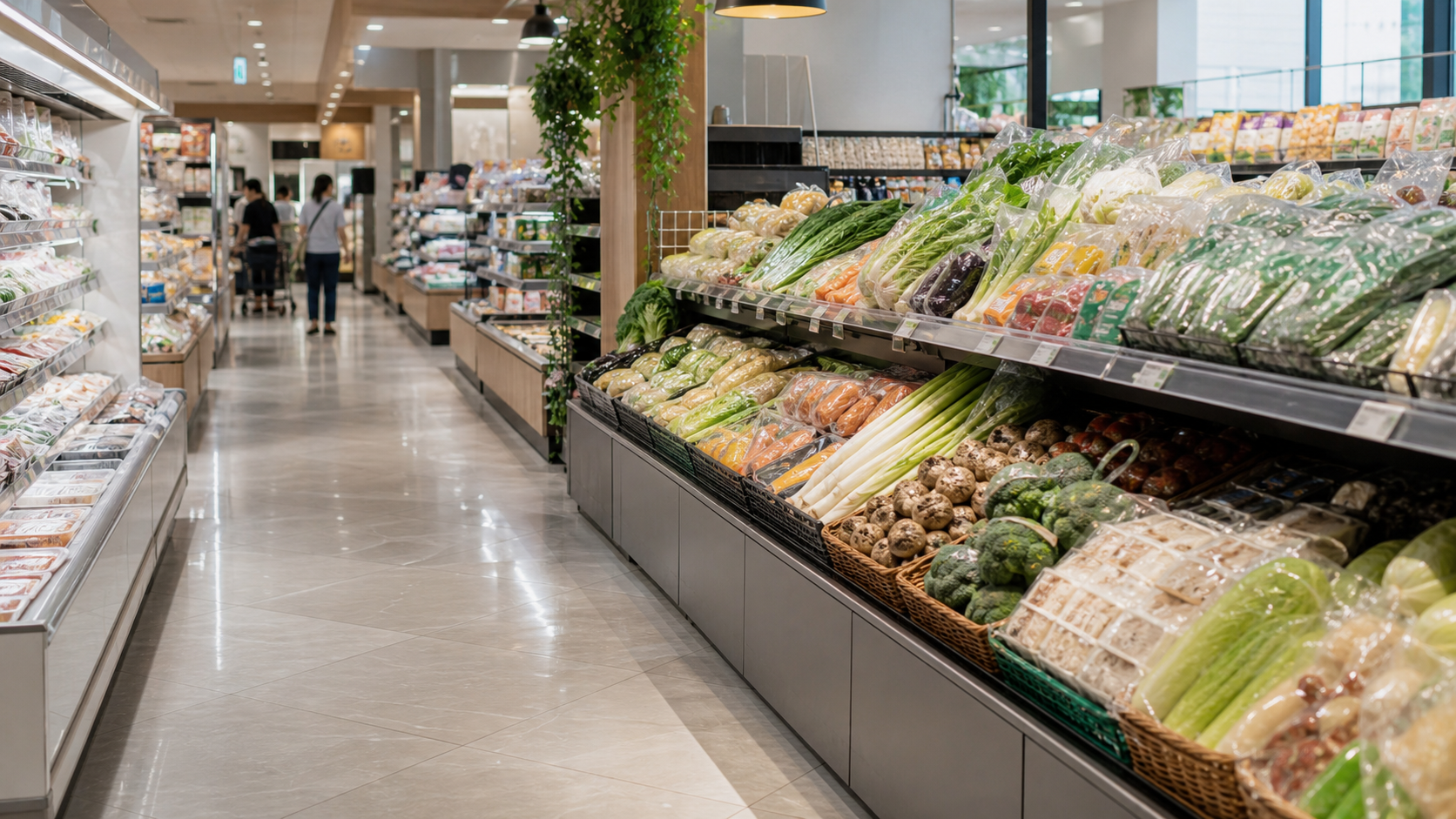
Germany's Biggest Supermarkets: Retail Groups and Banners Explained
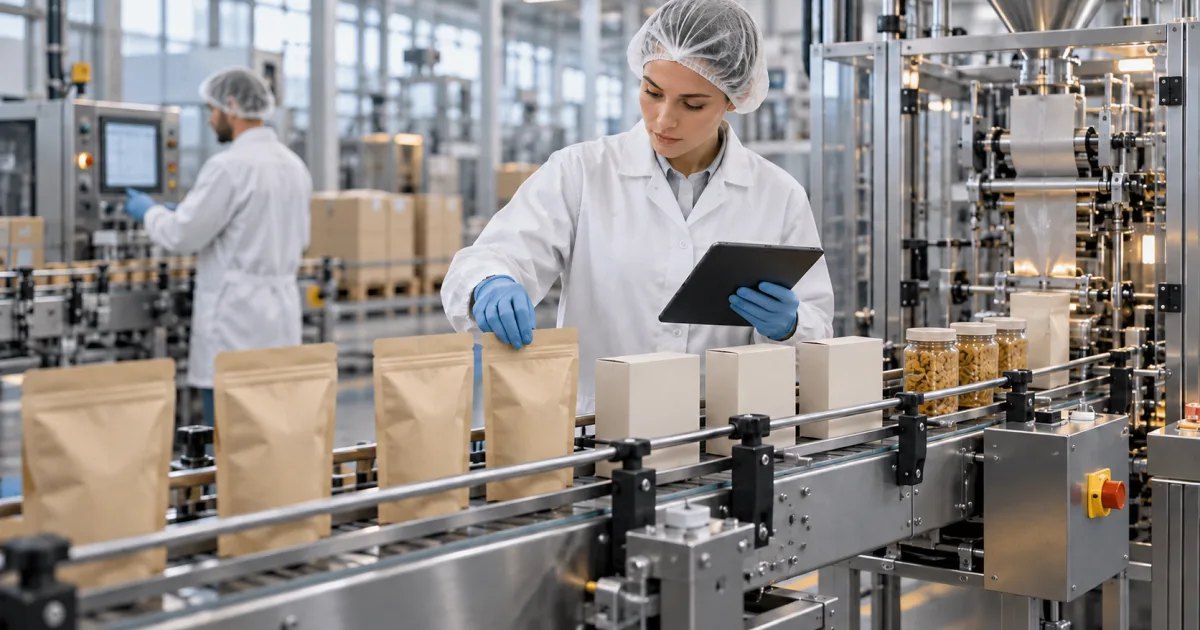
Private Label in Germany: A Supplier's Guide to Retail Buyers
Talk to a Germany expert
Bring your target outcome and timeline. We will match you with a vetted local operator, and tell you honestly if we are not the right fit.
Schedule a Call